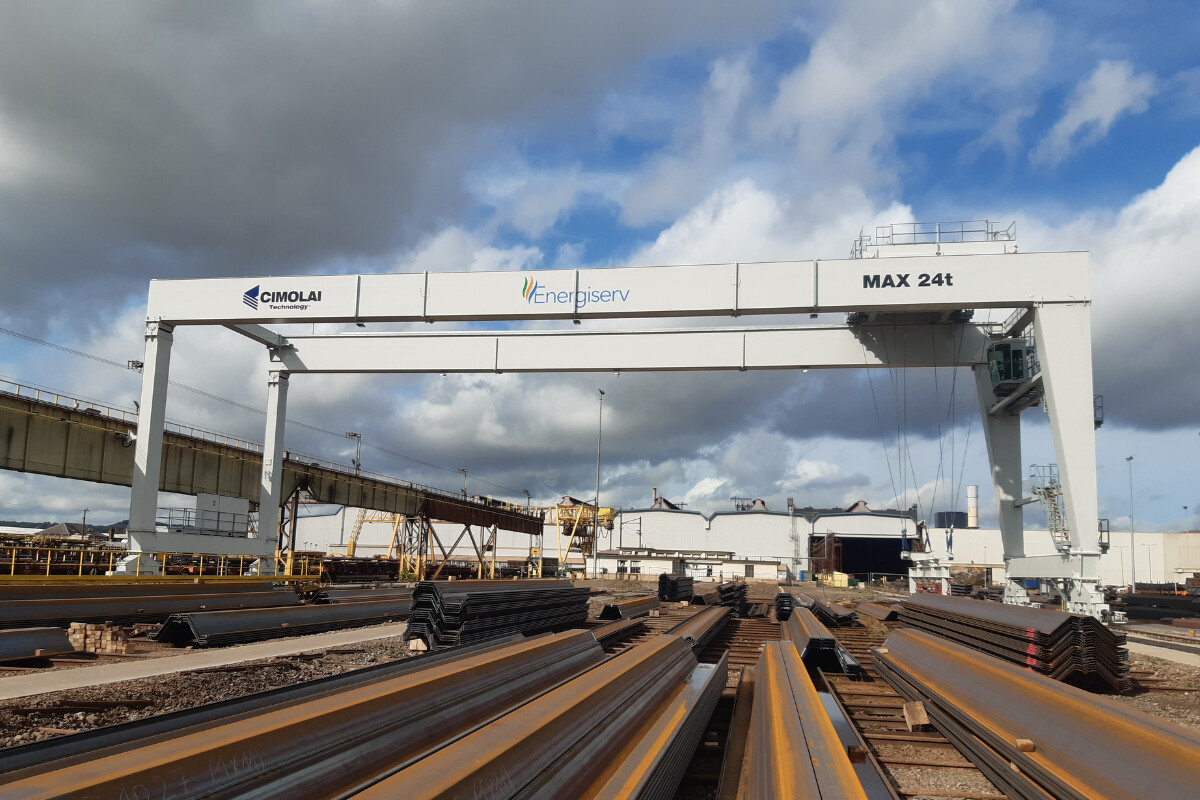
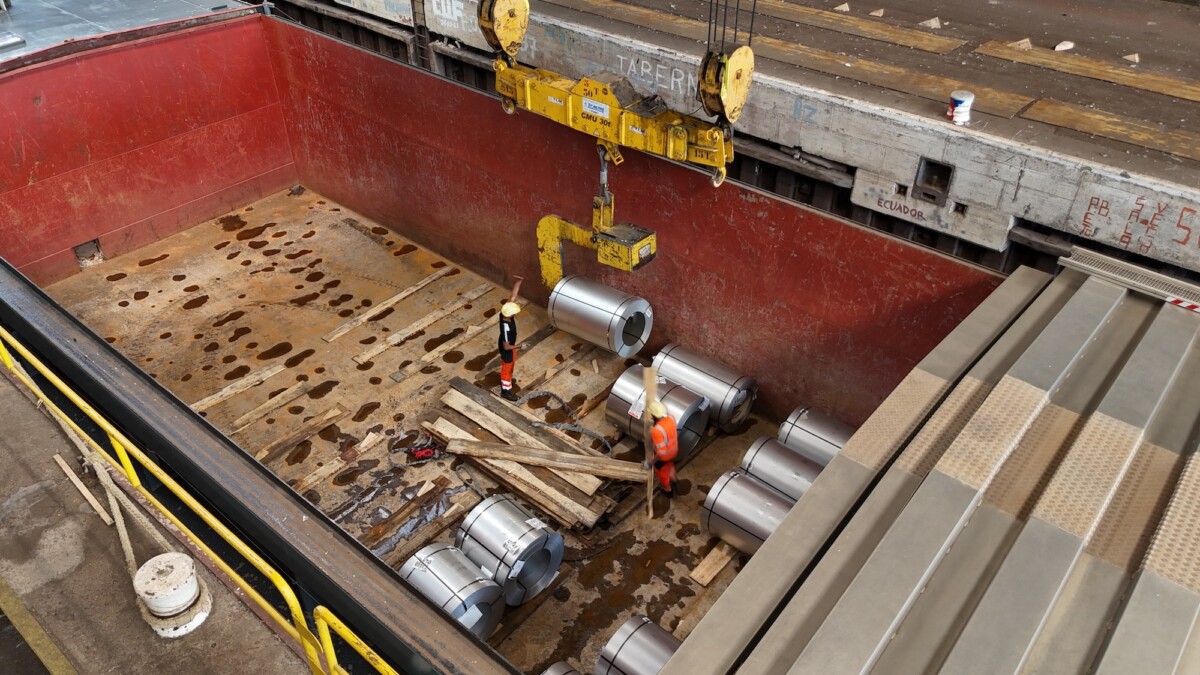
At our Thionville-Illange platform, these steel coils arrived by train before being handled, temporarily stored, and then loaded onto a barge for their onward transport. 🚂⛴️
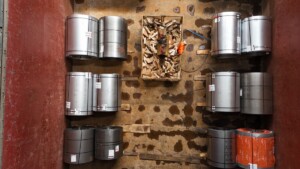
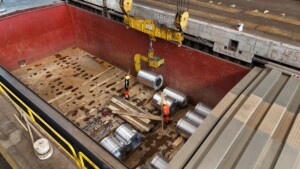
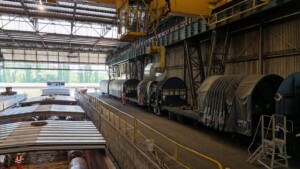
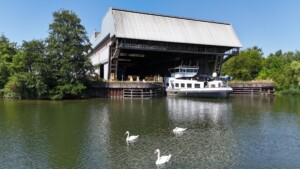
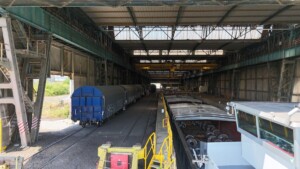
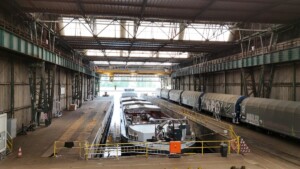
This operation exemplifies the relevance of multimodal logistics, where rail and inland waterways complement each other to transport significant volumes of goods efficiently, while also reducing the carbon footprint of transport.
Here are some figures that speak for themselves:
📦 1 inland waterway convoy of 3,800 tonnes = 3 complete trains = nearly 150 lorries.
♻️ Rail and inland waterway transport are among the most carbon-efficient modes of freight transport, according to the European Environment Agency.
📊 On average in Europe, freight transport emits approximately:
• 126 g CO₂e/tonne-km by road
• 33 g CO₂e/tonne-km by rail
• 43 g CO₂e/tonne-km by inland waterway.
Thanks to its dedicated infrastructure, its covered hall providing direct access between rail, river, and road, as well as the expertise of its teams in handling heavy loads, the Thionville-Illange port supports industries with tailored, reliable, and efficient logistics solutions.
Are you looking to optimise your logistics flows while developing more sustainable transport solutions? Let’s discuss it.
At Energiserv, we do more than just ensure the transshipment of goods: we create the connection between rail and river to build more efficient and sustainable logistics chains.